AI Services for Businesses
Our AI services cover four areas: we build AI agents, train teams, get you ready for the EU AI Act, and make sure AI search engines can find you. Pick a service below to see what it involves and where to start.
Agentic Design
Agentic AI means systems that act, not just answer: agents that plan a sequence of steps, call the tools they need, and carry a task through to completion, rather than a chatbot that replies to one prompt at a time. We design and build these agents for small and mid-sized businesses in Ireland, the UK and worldwide, wired directly into the systems you already use.
Typical first builds are invoicing, RFP and bid responses, and customer support triage. We scope one workflow first, prove it, then extend. For background on how agents are structured, Anthropic's guide to building effective agents is a good primer.
AI Training and Workshops
Our AI training services are hands-on, half-day workshops run on your team's own tools and data, in person or remote. Every session covers how to use AI well and how to use it safely.
Three fixed-price workshops: the Claude Masterclass (€895), the EU AI Act Readiness Workshop (€795) and The Bottleneck Workshop (€750). Custom sessions start at €495.
EU AI Act Audits and Compliance
We support you through annual audits and risk assessments, policy development, and operational security reviews, including architectural analysis and stress-testing for bias and security, so you stay compliant with evolving regulation, including the EU AI Act.
Not sure where you stand? Our AI services for the EU AI Act start with a free exposure check, or a 30-minute review with one of our engineers. The Act's AI literacy duty in Article 4 already applies to many teams.
GEO and Traditional Search
AI search engines like ChatGPT, Perplexity and Google AI Overviews pull answers from specific sources. We make sure yours is one of them, and that your traditional search visibility isn't left behind in the process.
These AI services run as audits, setup and monthly work, for both B2C and B2B clients.
Speaking and Events
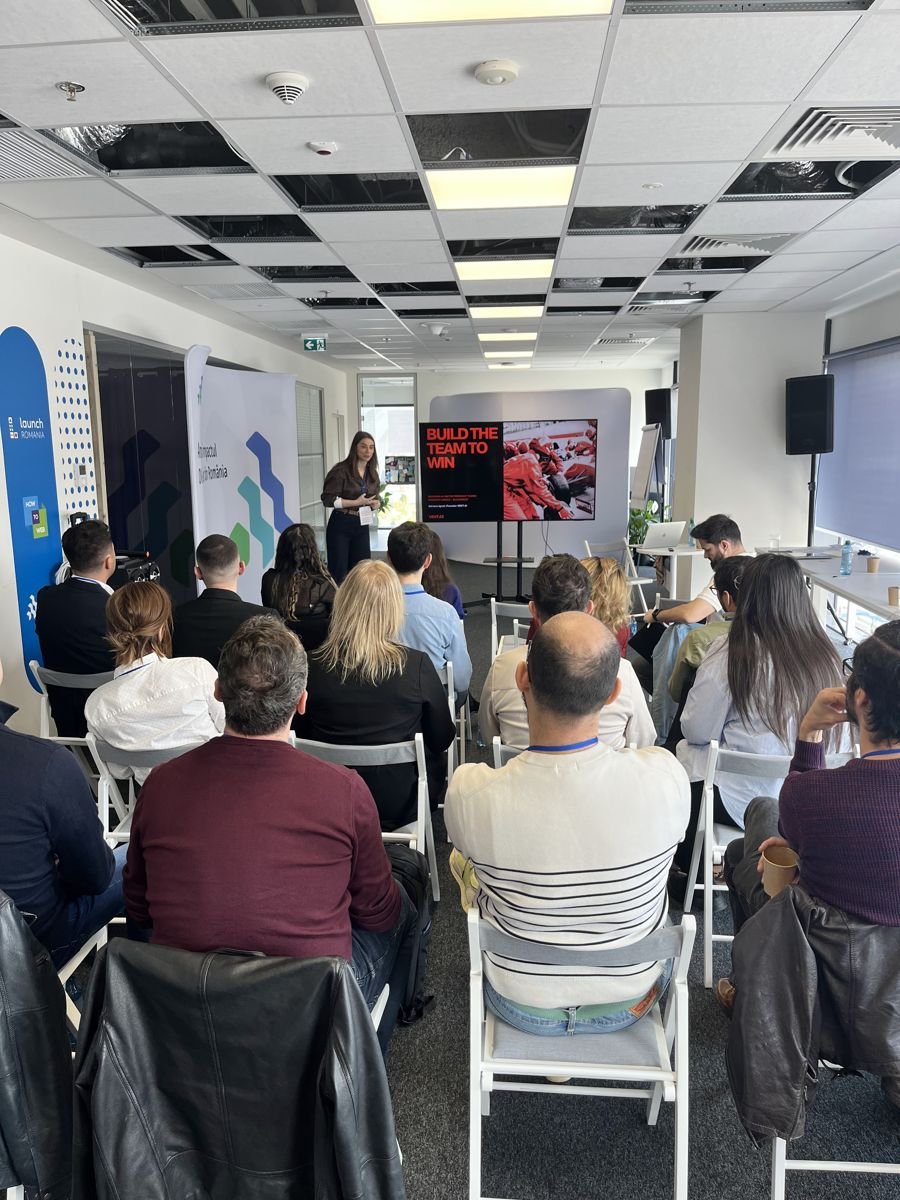
We speak at industry events across Ireland and the EU, from flagship AI summits to intimate founder and product sessions, like our recent agentic AI workshop with Naptha AI in Dublin.
Vekt's Claude Masterclass is the session we run most.
A hands-on, tool-specific session that gets a team fluent in Claude fast, not a generic "intro to AI" talk. It's the format teams book most.
See all training & workshops →Masterclass
Focused on one tool, done properly. The current run is built around Claude: how to use it, how to make it part of your daily workflow, and what it can do once you know how to work with it.
See the Claude Masterclass →Team Workshop
Half-day or full-day, in-person or remote, scoped to your own tools and workflows rather than a generic curriculum. Pricing and availability are on the training and workshops page.
See pricing & availability →Keynote & Speaking
We speak at industry events across Ireland and the EU, from flagship AI summits to intimate founder and product sessions. Book us for your own event or conference.
Request Vekt AI to speak →What every AI-interested business should be doing right now.
A 6-step pre-engagement guide: the groundwork that makes the first weeks of a build count.
Define Success Metrics
Identify concrete wins with measurable impact (time reduction, cost savings) and tie outcomes to hard numbers: time saved × hourly rate = €/$ impact.
Map Repetitive Processes
List repetitive, time-consuming tasks and score them on effort, errors, and frustration to identify the highest-ROI candidates.
Audit Data & Tools
Review data quality, locations, and existing system integrations to reveal readiness gaps before engagement begins.
Document Workflows
Map priority processes step-by-step with screenshots or flowcharts showing decision points and handoffs, to guide agent design.
Build Team Buy-In
Communicate AI as augmentation: handling drudgery so your team can focus on high-value work, not replacement, and identify internal champions.
Set Realistic Scope
Begin with 1–2 narrow, high-impact use cases rather than attempting full transformation immediately.
Where our AI services show up
Process & automation
Accelerate invoicing, RFP responses, and bid generation through agents that analyze specs for fast, accurate quotes.
Built as custom agents wired into the systems you already use (ERP, accounting, CRM) rather than templated automations. Each one is scoped to a single workflow first, then extended once it's proven.
E-commerce
Generate SEO-rich descriptions, product imagery, and translated listings automatically to expand market reach.
Runs against your existing product catalog and CMS, producing listings in the format your platform already expects, so nothing needs re-uploading or reformatting by hand.
Customer support
Deploy agents resolving technical inquiries, prioritizing escalations, and handling service requests to reduce response times.
Trained on your own documentation and support history so responses match how your team talks to customers, with a clear handoff to a person for anything outside its confidence threshold.
Tell us what's causing your organisation pain.
We'll match the right AI services to it and craft a right-sized solution.
Contact us →